Source Vintage Lace Maxi Slip Dress for Events
Explore 30 listings for the vintage lace maxi slip dress, featuring options in polyester and lace materials. Buyers can compare styles including A-line and slip designs, with customization available for colors and patterns to suit various seasonal needs; compare the available evidence and request quotations based on your requirements.
Key considerations
Products List


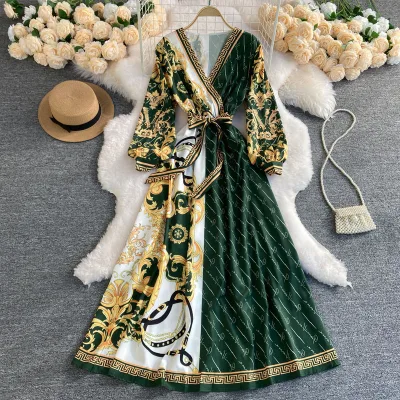


Comprehensive Sourcing Guide
Vintage Lace Maxi Slip Dress Sourcing Guide
Sourcing a vintage lace maxi slip dress requires distinguishing between authentic retro reproductions and modern garments utilizing vintage-inspired aesthetics. Buyers must verify that the lace material is genuinely delicate and the slip construction allows for the fluid drape characteristic of the style. The observed market data indicates that lace is a primary material option, often paired with specific collar types like V-necks or round collars to achieve the desired silhouette.
Procurement teams should prioritize suppliers who explicitly list customization capabilities for color and pattern, as the vintage aesthetic often demands specific hue adjustments or unique plaid and embroidered details. The product attributes suggest a range of styles from casual to luxury, meaning the definition of "vintage" varies by target demographic. Confirming whether the garment is designed for daily wear or holiday occasions will help narrow the supplier pool to those with relevant production expertise.
Product Scope and Observed Listing Signals
The current market listings reveal a diverse range of attributes that define the scope of vintage lace slip dresses, including variations in sleeve length from sleeveless to short sleeves and French cuffs. Buyers should note that while some items are described as loose or slim, the specific model numbers indicate distinct production runs that may differ in fit and finish. The presence of customizable colors and patterns suggests that many suppliers offer made-to-order options rather than just standard stock inventory.
Observations of the product data show that packaging standards vary, with some items shipped as single pieces in polybags while others are packaged in larger units. This variation impacts the unboxing experience and potential retail presentation, requiring buyers to clarify packing requirements before finalizing orders. Additionally, the seasonal classification often includes Spring, Summer, and Spring & Autumn, indicating that the fabric weight and lace density must be suitable for warmer weather conditions.
Technical Specifications to Verify
Technical verification must begin with the material composition, specifically confirming that the lace is the primary fabric and that the slip dress construction supports the intended drape. Buyers should cross-reference the listed sleeve lengths, such as sleeveless or half-sleeve, against the visual samples to ensure the cut matches the vintage silhouette. The collar style, whether V-necked or round, is a critical specification that defines the neckline's vintage character and must be inspected for stitching quality.
Length and fit specifications are equally critical, as the "maxi" designation implies a long garment, yet some listings may describe the length as medium or long depending on the specific model. The waist type, often high-waisted for this style, requires precise measurement verification to ensure the fit is flattering and functional. Additionally, the presence of front fly details like zippers or pullover styles must be confirmed, as these mechanical elements affect both the ease of wear and the structural integrity of the dress.
Compliance and Safety Documentation
While specific certification data is not universally present in the provided listings, buyers must request documentation confirming that the lace and polyester blends meet international safety standards for textile flammability and chemical content. The origin of the products is listed as China, a major manufacturing hub, which necessitates rigorous due diligence regarding labor compliance and environmental regulations in the supply chain. Without explicit certification claims in the source data, the burden of proof lies with the buyer to obtain third-party test reports.
Safety verification should also extend to the hardware used in the garment, such as zippers or buttons, ensuring they are free from hazardous substances like lead or nickel. The "Packaged" or "1 PC Into a Polybag" status requires confirmation that the packaging materials themselves are compliant with destination market regulations regarding plastic waste and labeling. Buyers should insist on a Declaration of Conformity that explicitly covers the specific model numbers observed in the market to ensure legal importability.
Cost Drivers and Commercial Terms
The cost of vintage lace maxi slip dresses is heavily influenced by the complexity of the lace work, particularly when embroidery or intricate patterns are involved. The observed price range of 0.5 to 49.99 USD suggests a wide disparity between basic mass-produced items and high-end luxury versions, driven largely by the level of customization and the quality of the lace material. Buyers must understand that lower price points often correlate with simpler construction methods or less durable fabric blends.
Commercial terms such as Minimum Order Quantity (MOQ) and lead times are variable, with observed MOQs ranging from 2 to 500 units depending on the supplier's capacity for customization. The "Customization: Available" attribute implies that bespoke orders will likely incur higher unit costs and longer production lead times compared to standard stock items. Negotiating these terms requires a clear understanding of the trade-off between price per unit and the flexibility to adjust colors, sizes, or specific design elements like the collar or sleeve style.
Supplier Qualification and Quality Control
Qualifying a supplier for vintage lace slip dresses requires a deep dive into their technical capabilities, specifically their ability to handle delicate lace materials without distortion or damage during production. The presence of various styles, from casual to luxury, indicates that a capable supplier must have diverse production lines or skilled artisans capable of executing different finishes. Buyers should request samples that specifically demonstrate the "embroidered" or "knitted" techniques mentioned in the product attributes to verify workmanship.
Quality control protocols must address the consistency of the "Free Size" or specific size ranges like XS-XL, ensuring that the grading between sizes is accurate and the fit remains true to the vintage aesthetic. Since the product origin is China, buyers should implement pre-shipment inspections that focus on the integrity of the lace edges and the alignment of the pattern, especially for plaid or simple designs. Establishing a clear quality standard for the "Luxury" or "Simple" style variants is essential to prevent receiving goods that do not meet the expected visual or tactile standards.
Long-Term Procurement Checks
Establishing a long-term partnership requires regular audits of the supplier's ability to maintain consistent quality across multiple production runs, especially when customization is a key factor. The variability in model numbers and styles suggests that the supplier must have robust inventory management and production planning systems to handle recurring orders without compromising on the vintage aesthetic. Buyers should schedule periodic reviews to ensure that the material quality, particularly the lace and polyester blend, remains consistent over time.
Future procurement strategies should also account for potential shifts in seasonal demand, as the products are listed for Spring, Summer, and Spring & Autumn. Maintaining a relationship with a supplier who can adapt to these seasonal changes while preserving the specific design elements like the high-waisted cut or V-neck collar is vital for brand consistency. Regular communication regarding new model introductions and potential material innovations will help buyers stay ahead of market trends and ensure a steady supply of high-quality vintage-inspired slip dresses.
FAQs
What materials are used for vintage lace maxi slip dresses?
These dresses typically utilize polyester and lace materials to achieve a vintage aesthetic. The lace provides delicate texture while polyester ensures durability and ease of care. This combination allows for a flowing silhouette that suits various body types. Buyers should verify specific material blends with suppliers to ensure quality and comfort for the intended market.
Can I customize the color of a vintage lace slip dress?
Yes, customization is available for many vintage lace slip dresses. Suppliers often offer white or customizable color options to meet specific brand requirements. This flexibility allows buyers to align the product with their seasonal collections or target audience preferences. It is advisable to confirm color matching capabilities and minimum order quantities before placing bulk orders.
What styles are available for vintage lace maxi slip dresses?
Available styles include loose, knitted, luxury, casual, and sleeveless designs. Some models feature A-line skirts or slip dress silhouettes with high-waisted cuts. These variations cater to different fashion needs, from daily wear to holiday occasions. Buyers can select styles based on their target demographic, whether focusing on youth-oriented casual wear or more formal luxury aesthetics.
What are the typical packaging options for these dresses?
Standard packaging often involves placing one piece into a polybag. Some suppliers may use general packages or specific carton dimensions like 30x30x5 cm. Proper packaging protects the delicate lace and polyester materials during transit. Buyers should request detailed packing lists to ensure products arrive in good condition and to calculate shipping volume accurately for logistics planning.
Which sizes are offered for vintage lace slip dresses?
Size options range from free size to specific ranges like XS to XL. Some models are designed as long or medium length garments. The variety in sizing accommodates different customer bases, from youth markets to broader adult demographics. Buyers should consult size charts provided by manufacturers to ensure accurate fit predictions and reduce return rates in their respective markets.
What occasions are suitable for wearing a vintage lace slip dress?
These dresses are suitable for daily wear, holiday events, and casual outings. The simple fashion elements and versatile designs make them adaptable for various settings. Spring, summer, and autumn seasons are ideal for wearing such lightweight lace and polyester combinations. Buyers can market these items as versatile wardrobe staples that transition easily between different social occasions and seasonal trends.